Before there was a Biscayne National Park, there was a fight.
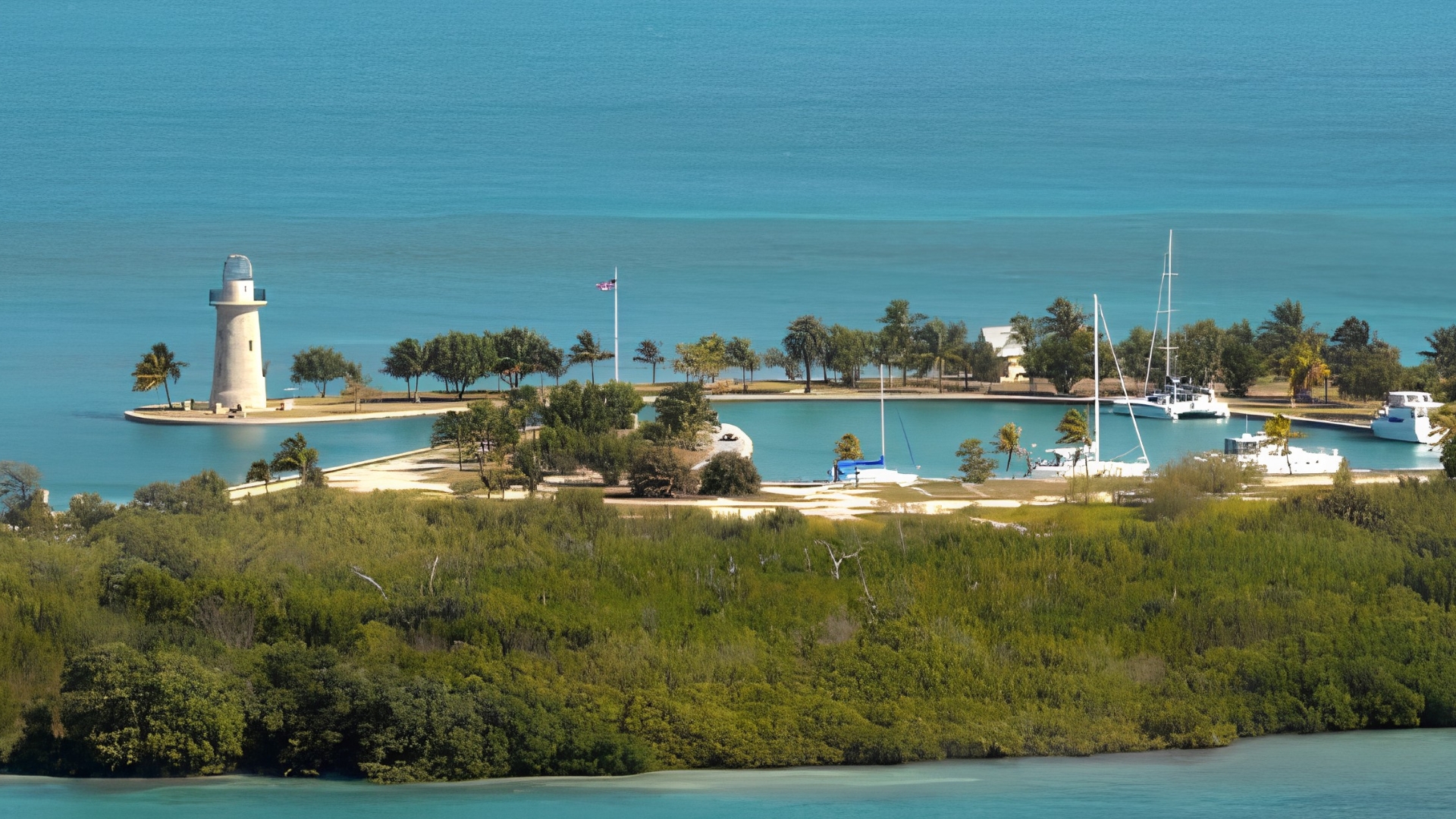
In the 1950s and ’60s, the northernmost Florida Keys, a stretch of nearly 50 ancient coral reef islands largely bypassed by development, were squarely in the crosshairs of progress. Developers imagined hotels. County planners drew up a major industrial seaport called Seadade, which would have required dredging a 40-foot channel through the bay’s clear, shallow waters. In 1961, 13 landowners voted to incorporate the area as a city entirely. The plans were ambitious, and for a while, they looked likely to succeed.
But another vision was taking shape at the same time.
A loose coalition of doctors, pilots, farmers, and writers saw something different in those untouched keys: the possibility of a park unlike any other. One that would protect not just land but water, not just islands but the reef to the east and the bay to the west. They were early adopters of concepts like ecology and environmental preservation, and they were willing to fight for them. Lloyd Miller of the Izaak Walton League faced personal retaliation for his advocacy. Miami Herald journalist Juanita Greene helped build public momentum through her reporting. Hardy Matheson ran his entire campaign for county commissioner on a single platform: create the park.
The effort attracted unlikely allies. Herbert W. Hoover, Jr., who had spent summers in the area as a child, flew members of Congress over the proposed park in a blimp, convinced that seeing it would be enough.
In a last-ditch attempt to block protection, some landowners brought in bulldozers and carved what became known as “spite highway,” a six-lane, seven-mile swath straight through Elliott Key. It didn’t work. On October 18, 1968, President Lyndon B. Johnson signed the legislation creating Biscayne National Monument. The park was later expanded and redesignated as a national park in 1980.
Today, spite highway has grown over, becoming a quiet hiking trail through a tropical hardwood forest, and the northern keys remain undeveloped, just miles from one of the most densely populated metros in the country. The story of Biscayne is a reminder of what’s possible when people fight for the places they love.