Everglades National Park is famous for its wildlife, wetlands, and the slow-moving “River of Grass.” But tucked within this vast wilderness is a surprising piece of American history: a Cold War relic that once played a critical role in protecting the United States.
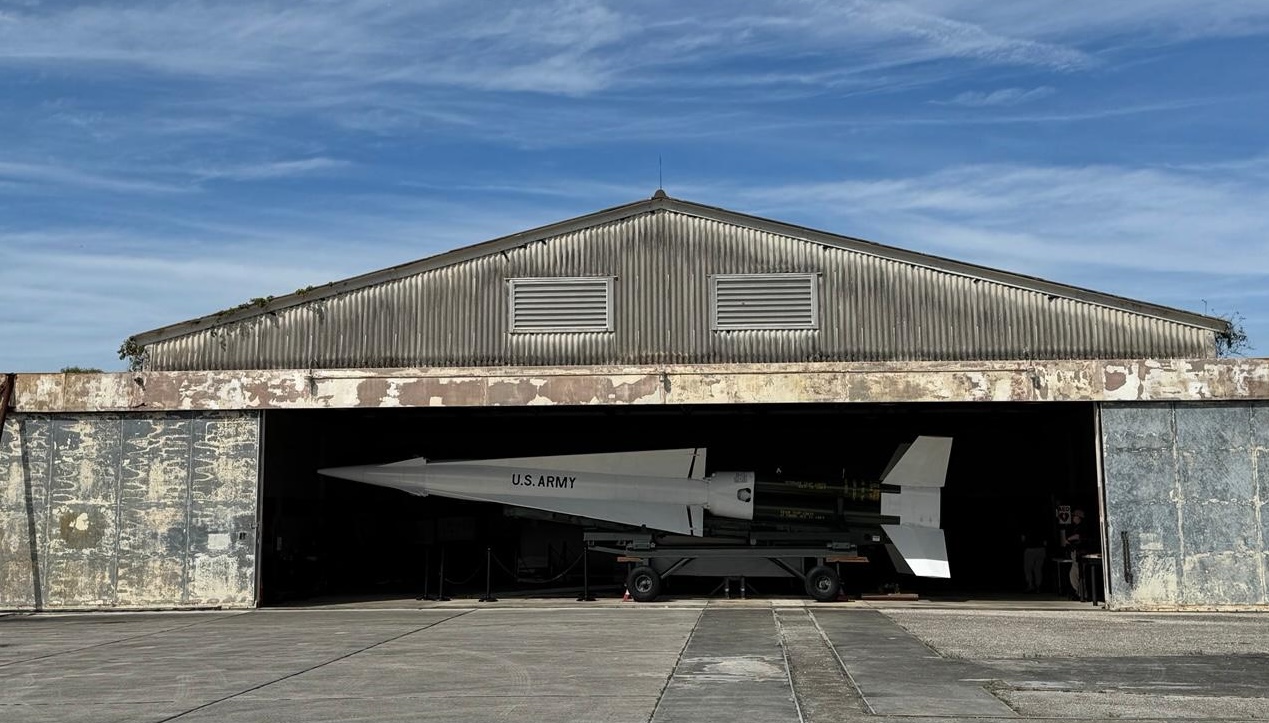
The HM-69 Nike Missile Site is an underrated gem of Everglades National Park. Built by the U.S. Army in the early 1960s, the HM-69 Nike Missile Site was part of a nationwide network of Nike missile installations designed to intercept enemy aircraft before they could reach American cities.
If you’ve visited the park before — or even toured the missile site — you may not realize this quiet corner of the Everglades once stood on the front line of the Cold War.
A Cold War Outpost in the Everglades
In 1962, the world came closer to nuclear conflict than at any other moment in history during the Cuban Missile Crisis. When the U.S. discovered Soviet nuclear missiles in Cuba, the military rapidly strengthened air defenses across the Southeastern U.S.
Because Cuba lies just 90 miles from Florida, South Florida became a strategic stronghold in the region for expanded military air defense systems. At the height of the Cold War, this remote area of the Everglades housed sophisticated radar systems and surface-to-air missiles ready to defend the region.
One of those installations was HM-69, constructed in the 1960s and located in modern day Everglades National Park. The site once stored powerful Nike Hercules missiles capable of intercepting enemy bombers flying toward the United States. According to the National Park Service, these missiles remained operational at the site until 1979, when advances in military technology and changing defense strategies made the system obsolete.
Life at the Edge of the Everglades
Serving at HM-69 was unlike serving at most military bases. Soldiers stationed here lived and worked in the middle of the Everglades — surrounded by wetlands, wildlife, and the intense South Florida climate. Mosquitoes, heat, and isolation were part of daily life.
Despite the remote setting, the site had to remain constantly ready. Personnel stationed at HM-69 spent much of their time training, maintaining equipment, and ensuring the missiles could be deployed quickly if needed.
Fortunately, the missiles at HM-69 were never launched in combat. But their presence represented a critical defensive layer during one of the most uncertain periods in modern history.
Exploring the Nike Missile Site Today
The HM-69 Nike Missile Site offers visitors a fascinating glimpse into that tense chapter of history. It is the only Nike missile base in the United States that – thanks to the National Park Service – has been restored and preserved in its original condition.
The Nike Missile Site is located near the Ernest F. Coe entrance of Everglades National Park.
Visitors can explore the areas where soldiers once lived and worked, including:
- Missile storage bunkers
- Radar and control areas
- Military barracks
- Equipment used to launch Nike Hercules missiles
The National Park Service offers seasonal ranger-guided tours, where visitors can explore restored missile bunkers and learn about the site’s fascinating history. During these tours, rangers explain:
- How the Nike missile system worked
- What daily life was like for soldiers stationed here
- Why South Florida became such a critical Cold War defense location
Even for visitors who come primarily to see wildlife or hike the park’s trails, a stop at the missile site offers a completely different perspective on the Everglades.
Protecting the Stories of Florida’s National Parks
The Everglades may seem like an unlikely place to find Cold War history, but the HM-69 site highlights an important truth: national parks protect cultural history as well as natural landscapes. The preservation of this missile site helps visitors understand how global events shaped South Florida and the United States.
Places like the HM-69 Nike Missile Site show just how diverse and fascinating Florida’s national parks can be. By protecting the site, the National Park Service ensures that future generations can learn about the Cold War, the Cuban Missile Crisis, and the soldiers who served here.
Through education, exploration, and conservation, The Alliance for Florida’s National Parks helps support the programs that allow visitors to discover stories like this across Big Cypress National Preserve and Biscayne, Dry Tortugas, and Everglades National Parks. Learn more about how you can support Florida’s national parks at FloridaNationalParks.org.
By Margarita Kruyff