.avif)
Dry Tortugas National Park
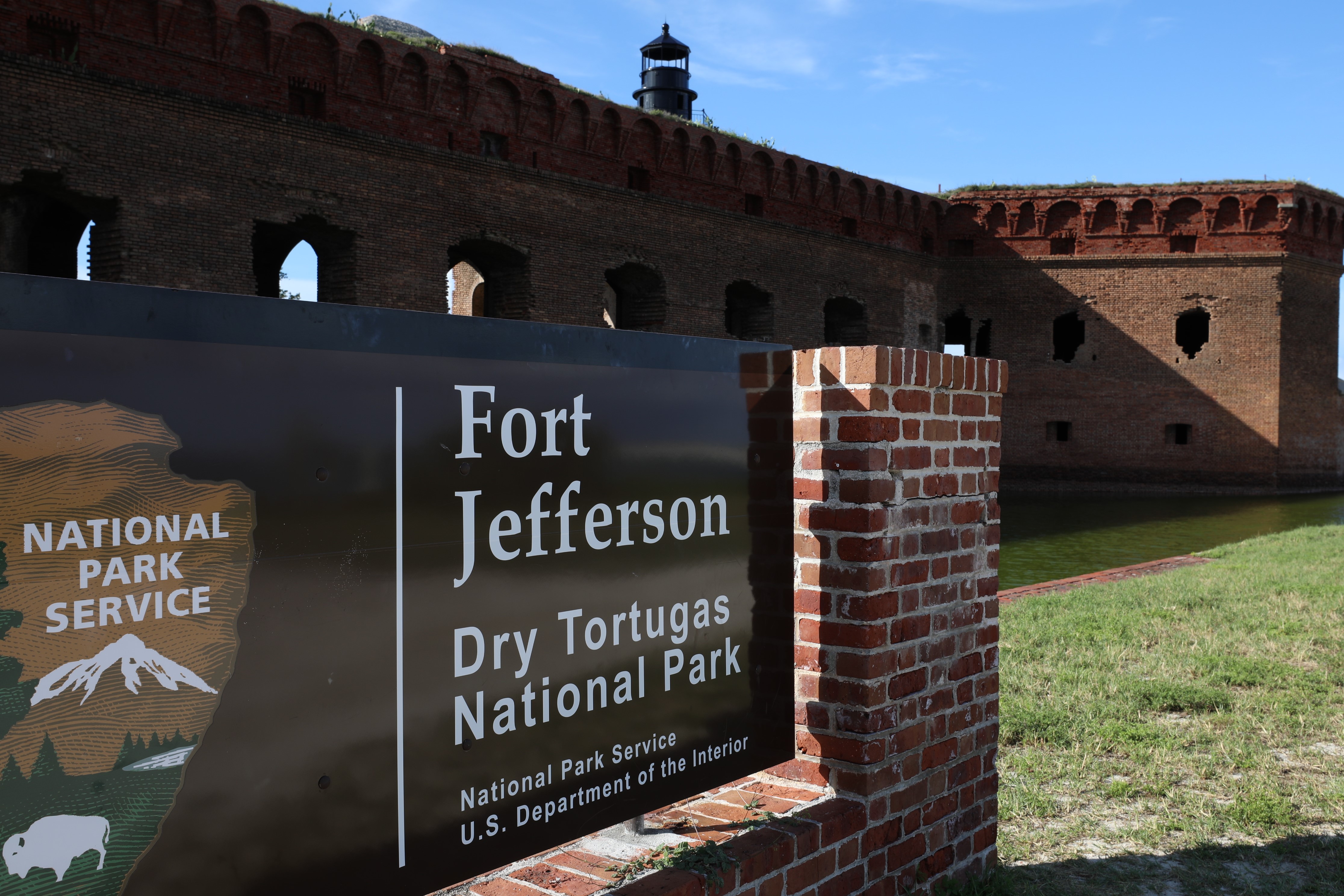
Nearly 70 miles west of Key West, Dry Tortugas National Park protects seven remote islands, their surrounding coral reefs, and Fort Jefferson, one of the nation's largest 19th-century masonry forts. First protected as a wildlife refuge in 1908 and later as a national monument in 1935, the area was redesignated a national park in 1992. Accessible only by boat or seaplane, the park is almost entirely open water and offers some of the clearest, most pristine coral reef in the Florida Keys.
Quick Facts
A Closer Look
Spanish explorer Ponce de León named these islands Las Tortugas in 1513 for the sea turtles he found there; mariners later added "Dry" to their charts as a warning that no fresh water was to be had. Construction on Fort Jefferson began on Garden Key in 1846 and continued for 30 years without ever being completed. During the Civil War the fort served as a Union military prison, and after the war it held four men convicted in the conspiracy to assassinate President Lincoln. The Army abandoned the fort in 1874, and in 1908 the area became a wildlife refuge to protect its nesting sooty terns from egg collectors. It was proclaimed Fort Jefferson National Monument in 1935 and redesignated Dry Tortugas National Park in 1992 to protect its scenic, cultural, marine, and scientific value.
Getting There & Visitor Centers
Garden Key Visitor Center: Inside Fort Jefferson — reachable only by ferry or seaplane from Key West
The park has no public lodging, food, drinking water, or supplies; every visitor must be fully self-sufficient. Private boats are welcome but must obtain a permit from park rangers at Garden Key.
Things To Do
- Guided and self-guided tours of historic Fort Jefferson
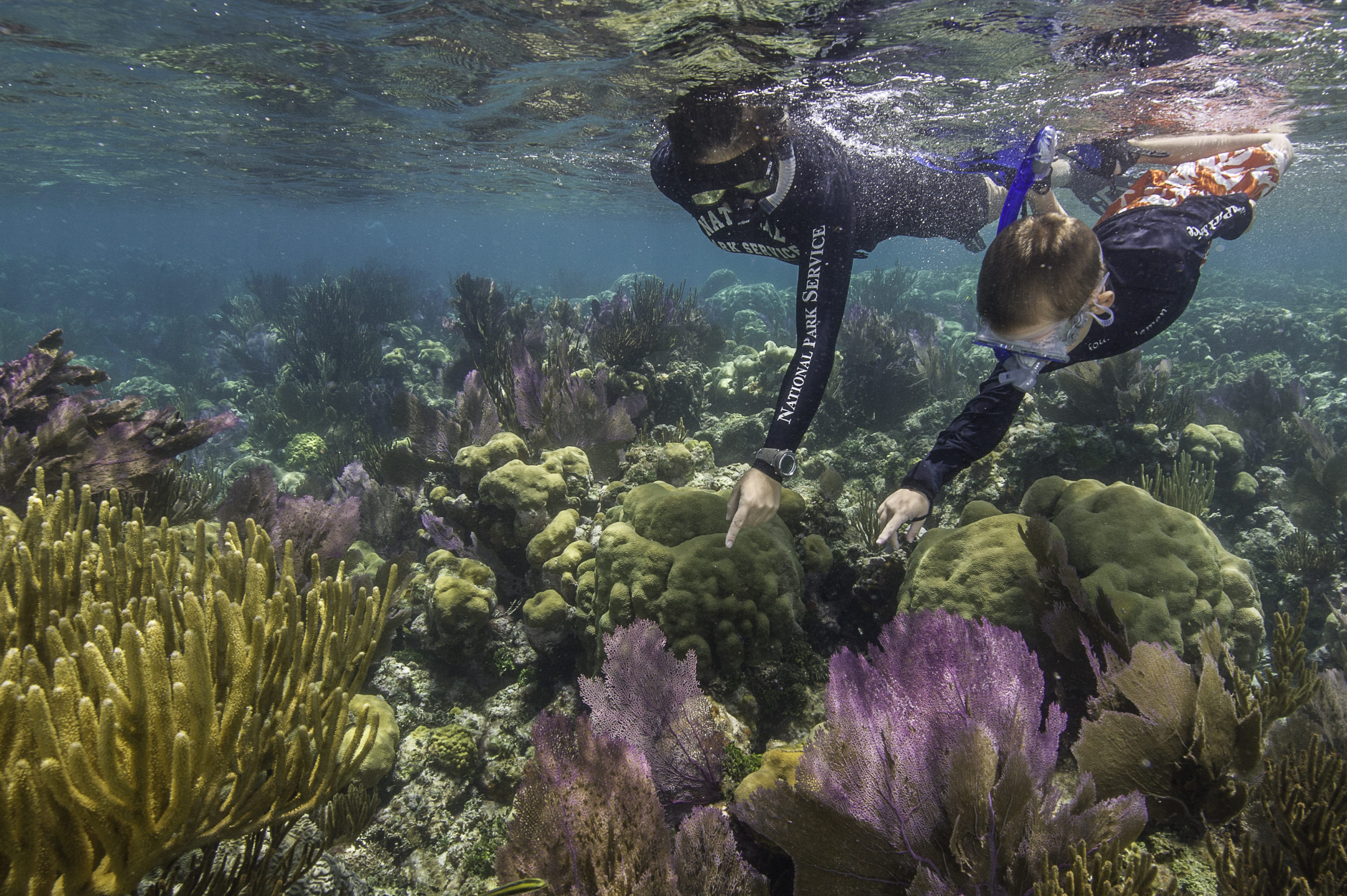
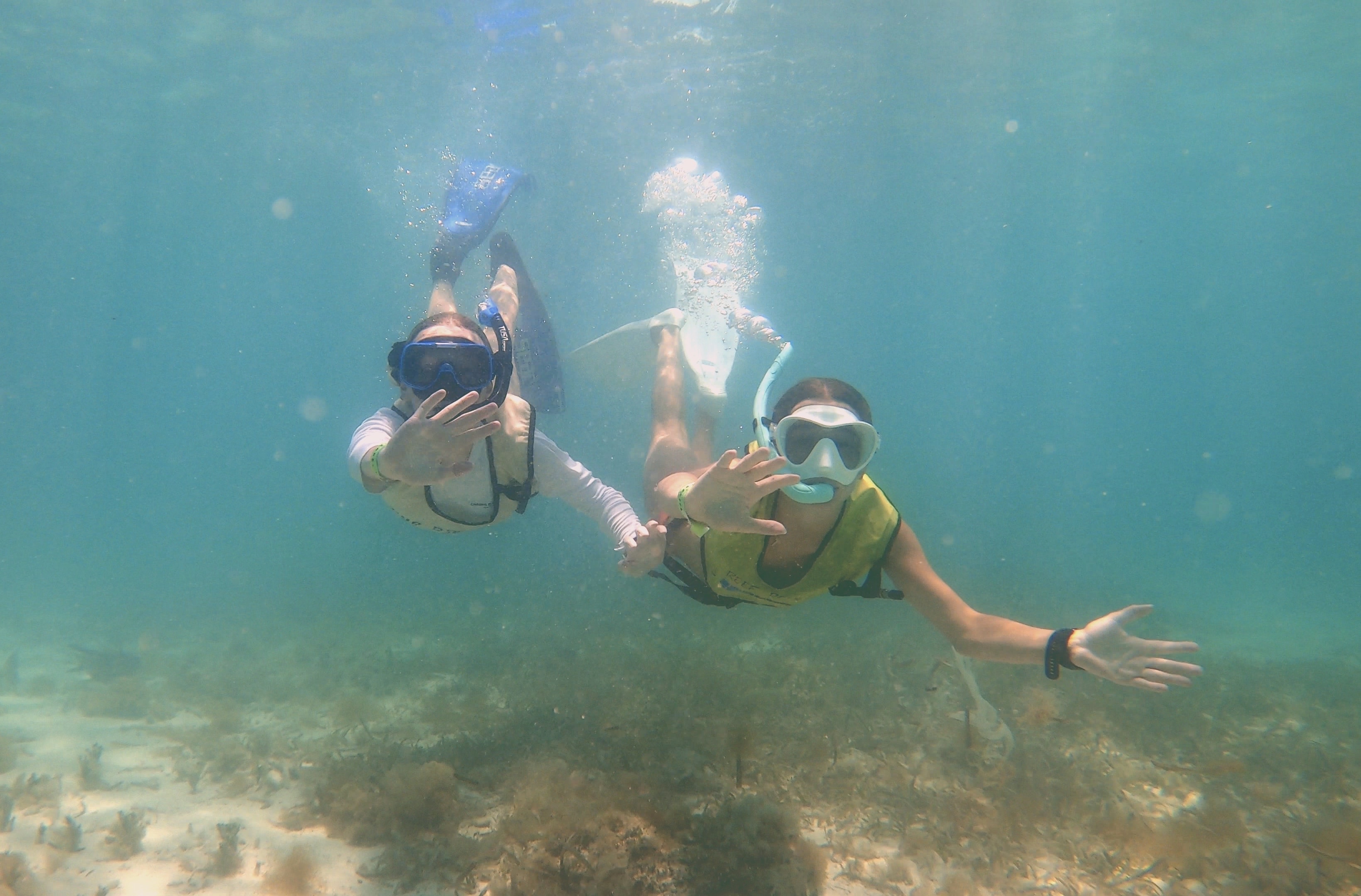
- Snorkeling and swimming over reefs just three to four feet deep
- Saltwater sport fishing, underwater photography, and birding
- Overnight camping at the first-come, first-served Garden Key campground
The Landscape
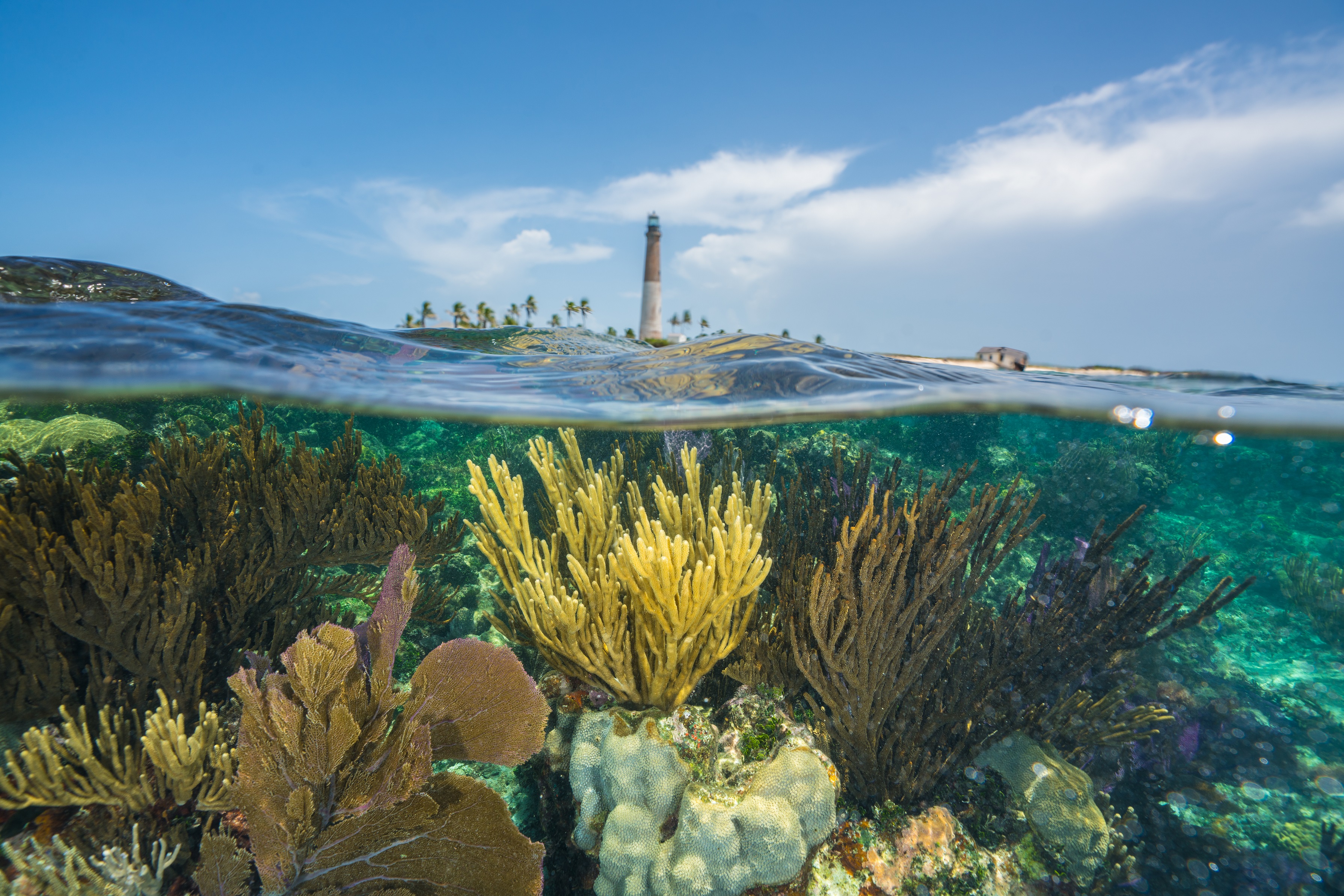
Coral Reef: Shallow, warm, well-lit reefs that support sea fans, sponges, and reef fish.
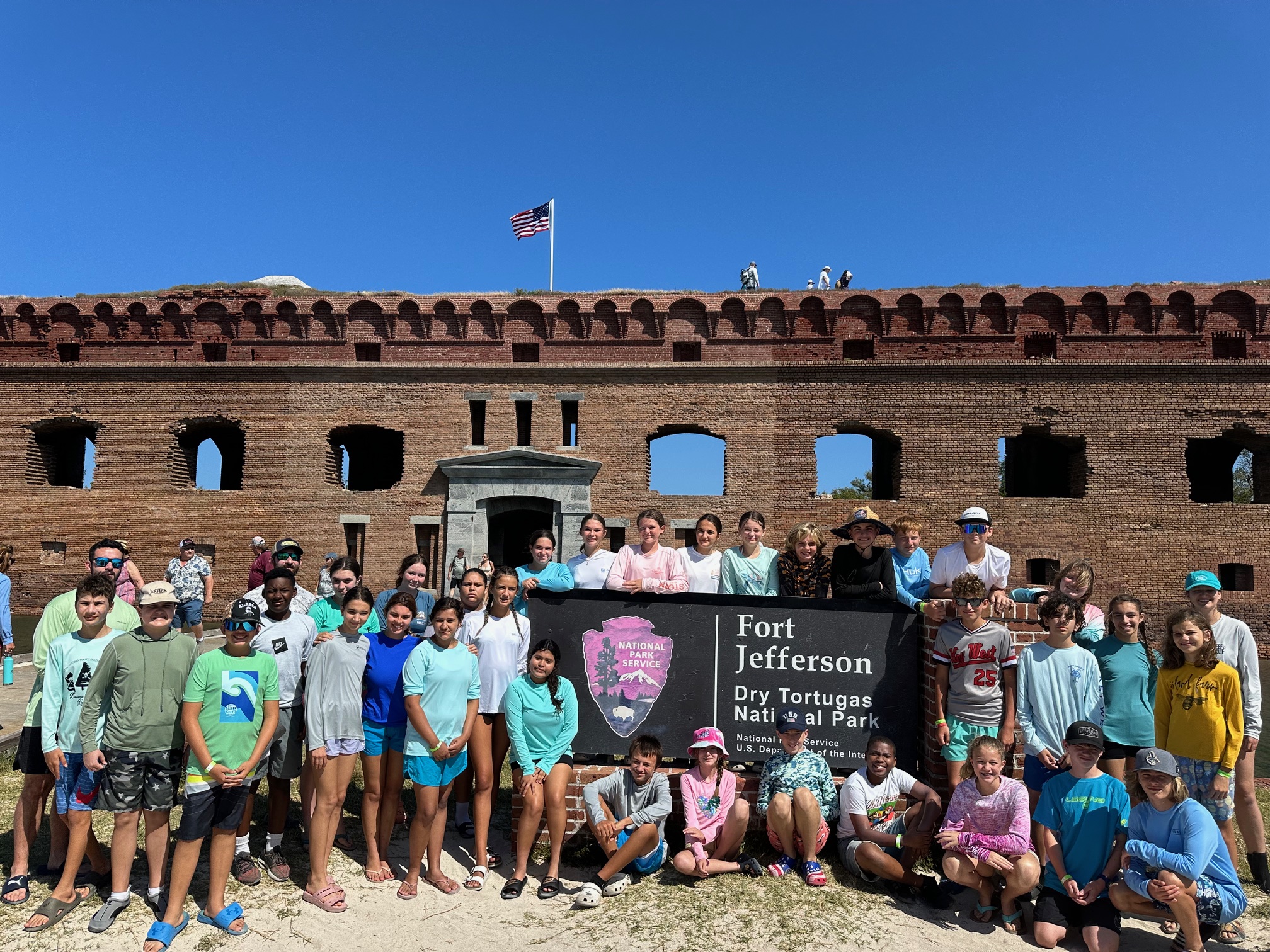
Fort Jefferson: The park's central cultural feature, an unfinished 1800s coastal fortress on Garden Key.
Bush Key Rookery: Nesting grounds for as many as 100,000 sooty terns each year.
Open Water & Shoals: Surrounding channels and reefs that make the park one of the most remote in the system.
Wildlife You Might See
- Sooty tern — up to 100,000 gather here each nesting season
- Brown noddy
- Green and loggerhead sea turtles
- Magnificent frigate bird
Plan Your Visit
- The entry fee covers seven days and is included in ferry or seaplane fare
- Bush Key closes to visitors from mid-January through mid-October to protect nesting terns
- Nearly half the park is a Research Natural Area where fishing, collecting, and anchoring are prohibited
- Collecting shells, coral, or shipwreck artifacts is prohibited by federal law
- Camping is limited to 14 consecutive days and 30 days per calendar year
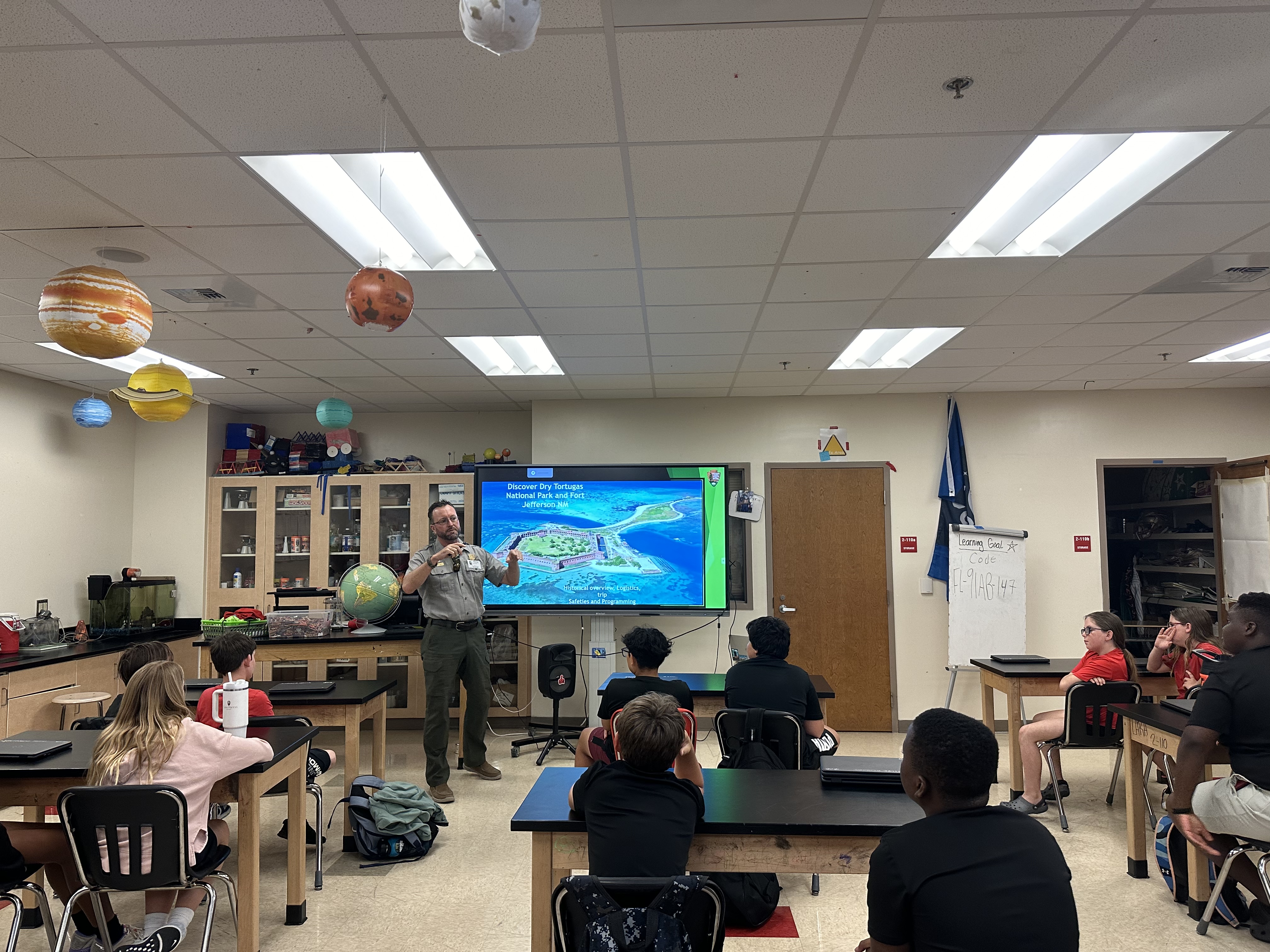
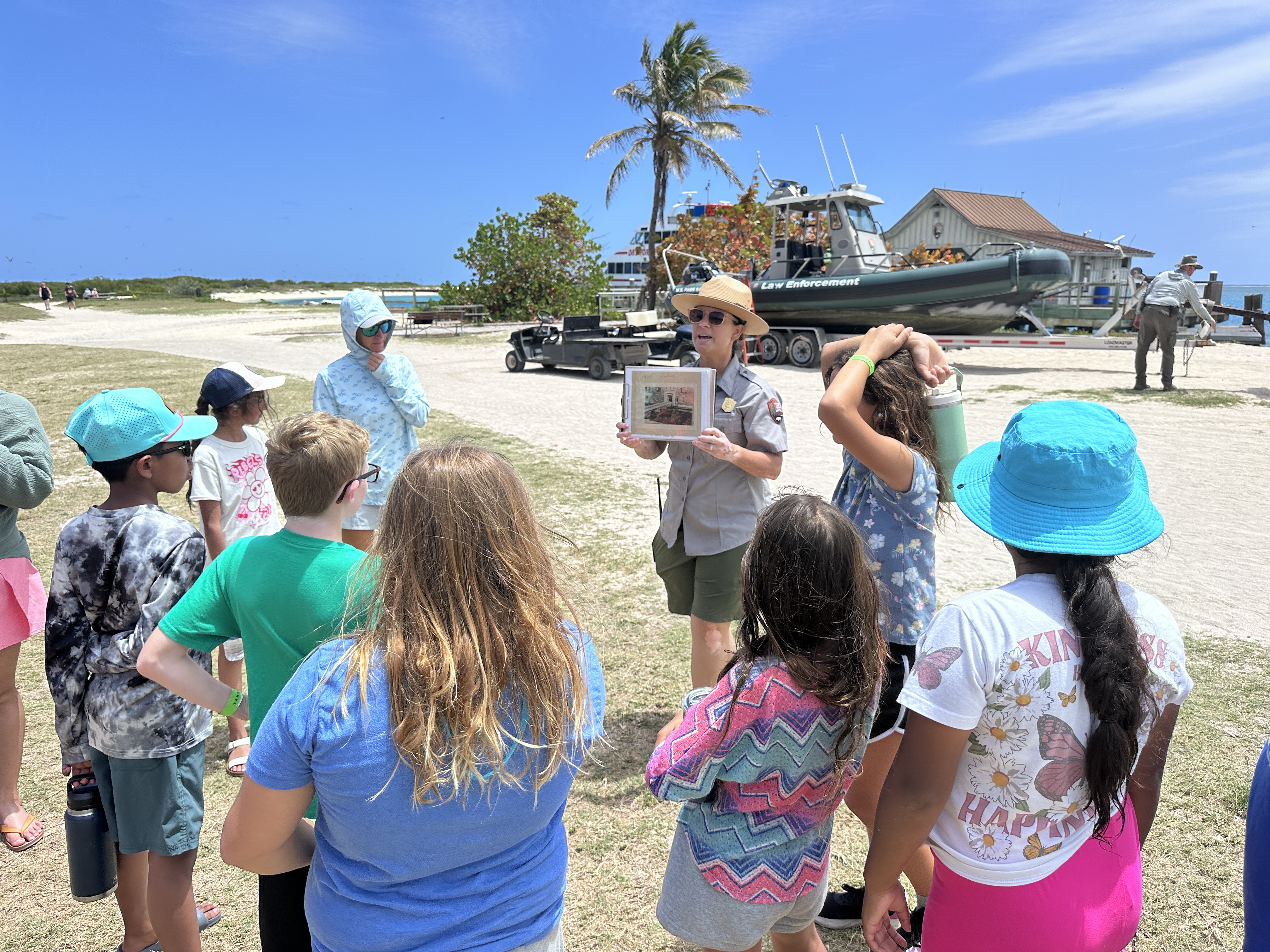
At Dry Tortugas National Park, three curriculum-based, multi-touchpoint education programs bring history, science, and marine conservation to life for students in 5th through 8th grade. In partnership with Reef Relief, a local nonprofit, the programs begin with a pre-visit classroom session that prepares students for what lies ahead. Field trips to the park combine a guided tour of the historic Fort Jefferson with snorkeling on one of Florida's most pristine coral reefs, where students catalogue marine species and learn about active coral restoration efforts. The capstone experience is an overnight summer camp at the park, where students immerse themselves in the remote and remarkable ecosystems that define Dry Tortugas.
Programs The Alliance Supports Here
- Education
- Beach Cleanups
- Marine Debris Removal
- Preservation of Fort Jefferson
Why Your Support Matters
Education programs at Biscayne National Park receive no federal funding and depend entirely on private philanthropy. The Alliance for Florida's National Parks uses the power of philanthropy to support education, exploration, and conservation in Big Cypress National Preserve and Biscayne, Dry Tortugas, and Everglades National Parks. Your gift keeps these programs, research, and conservation work possible.
%20(1).avif)
.jpg)
%20(1).avif)
.jpg)
%20(1).avif)
.jpg)
.jpg)